











Camino de Santiago 8 Stages Burgos-Santiago
bike type
Gravel , MTB
Duration
8 Stages
Profile
Sport
Distance and slope
513 km / +7090 m
Trip Summary
The Camino de Santiago in 8 stages It is an exciting experience that allows you to travel one of the most famous pilgrimage routes in the world.
The Camino de Santiago is probably the most famous route in the world. Walking its paths transports us to a medieval past, a past linked to Christian culture and faith, but also to a past of communion among citizens of all over the world.
Doing it in 8 stages from the city of Burgos will allow you to get to know the center of the peninsula with its extensive plains and beautiful towns in Castilla.
Date and availability
Join the Bikefriendly Club and get an automatic 10% discount for this trip.
Trip description
The Camino de Santiago, among many other things, has served to unite peoples since time immemorial, which is why walking the Camino is an experience you'll remember for the rest of your life. Exploring its paths and trails by bicycle is the best way to travel back in time and enjoy the rich culture that permeates the route.
Its countless towns and villages, with its churches and hermitages, will be the small trophies that we will accumulate as the days go by and, while we discover ancient paths and soak up the pilgrim culture, the path will test us in different scenarios to reward us later with beautiful postcards that will remain engraved in our memories.
The pilgrim's credential will be the witness of our journey and will be our travel companion until we reach the cathedral of Santiago de Compostela.
The Camino de Santiago is not just a bicycle route, it is traveling, and that is why at Bikefriendly we want you to enjoy it with your group on a tailor-made trip. With two accommodation options during the route, you can choose between hostels/hotels and charming hotels/houses. Different starting points and days of pedaling.
The only thing you will have to think about is having your camera on hand to be able to immortalize a trip that people from all over the world have been making for centuries. Are you willing to be a Bikefriendly pilgrim?
*We organize the Camino de Santiago tailored for groups of 6 people or more, both by bike and trekking. Tell us what type of trip you want and we will take care of the rest.
Itinerary
Arrival to Burgos
Arrival to Burgos
The journey begins in Burgos , one of the major cities on the French Way and an ideal starting point for those beginning the Camino de Santiago by mountain bike . After arriving at your accommodation and checking in, you'll have time to prepare your bike, check your equipment, and begin enjoying the city's historic and pilgrim atmosphere.
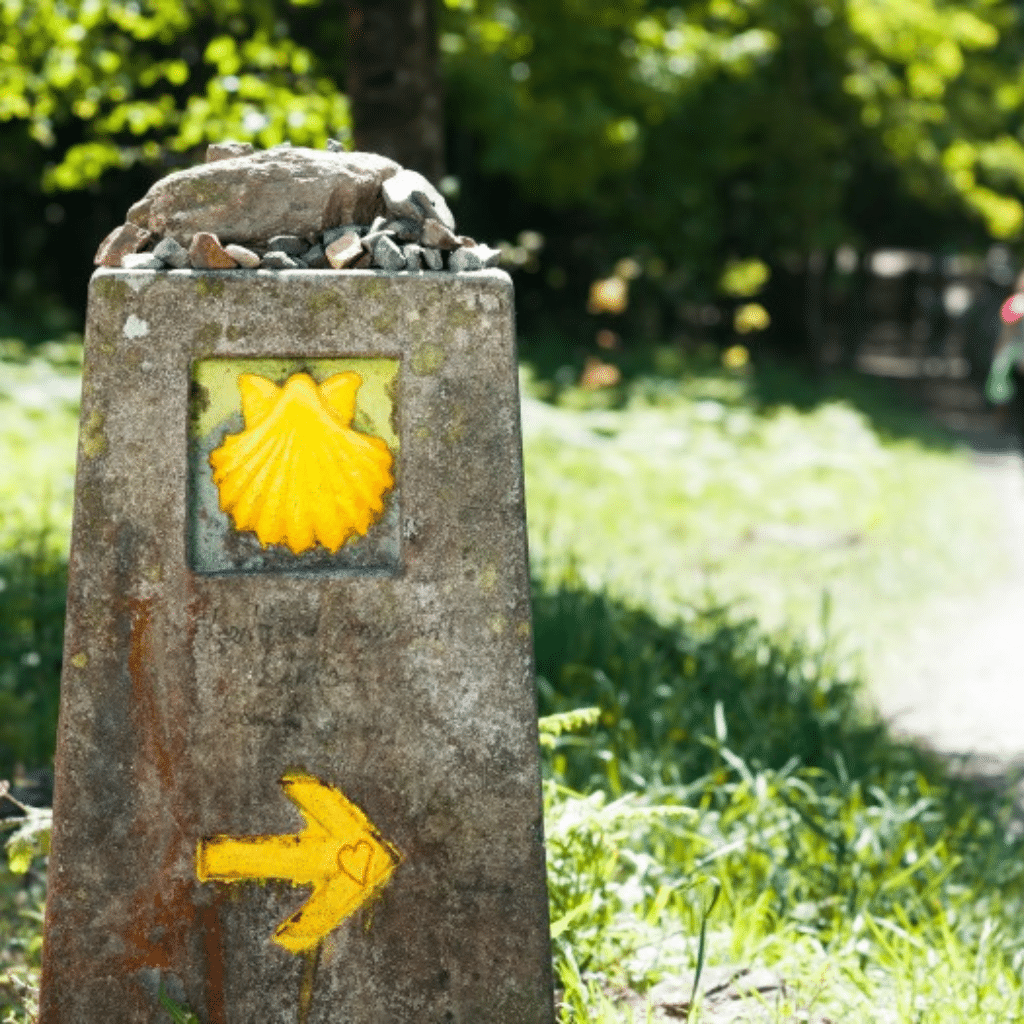
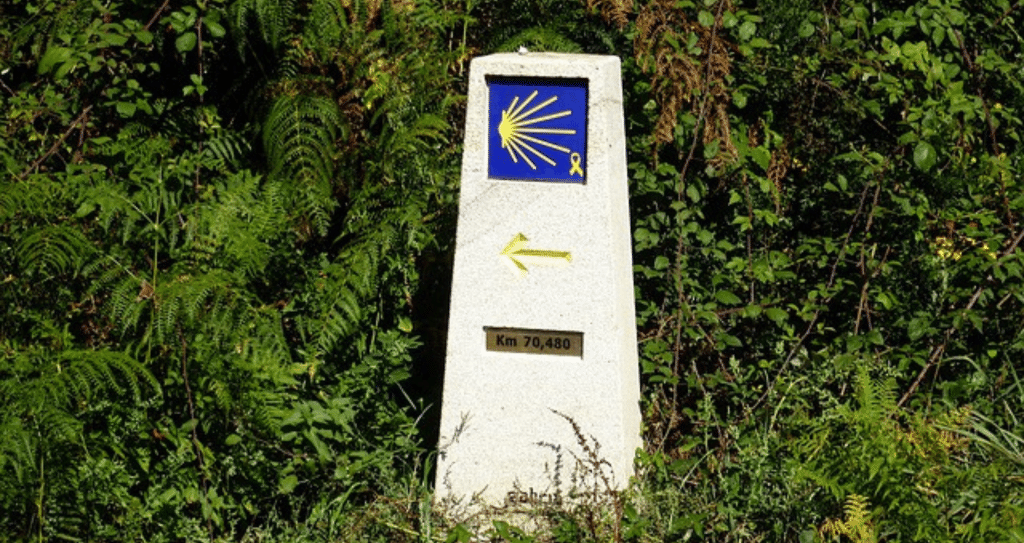
Burgos welcomes travelers with one of the jewels of European Gothic architecture, its imposing Burgos Cathedral , a UNESCO World Heritage Site. Its medieval streets, welcoming atmosphere, and the constant presence of yellow arrows create the perfect setting to begin your journey.
It is also the ideal time to collect the pilgrim's credential at the accommodation reception , which will be stamped every day until you reach Santiago de Compostela, and to stroll through emblematic places such as the Paseo del Espolón , the Arco de Santa María or the banks of the Arlanzón.
Starting tomorrow, the real challenge begins: to travel the Camino de Santiago by mountain bike from Burgos , a unique experience that combines history, nature and the pilgrim spirit in every pedal stroke.
Burgos - Fromista
Distance
65 km
Elevation
+500m
Burgos - Fromista
The adventure of the Camino de Santiago by mountain bike from Burgos begins in one of the most monumental cities on the French Way . After leaving behind the imposing Burgos Cathedral , a World Heritage Site, the route enters the vast Castilian plains, a rolling terrain perfect for finding your pedaling rhythm from day one.
The route follows wide tracks, traditional paths, and short stretches of paved road, connecting emblematic villages along the Camino such as Tardajos and Hornillos del Camino , where the landscape opens up completely to the Castilian Plateau . Riding here conveys a unique sense of freedom: endless horizons, historic paths, and the characteristic tranquility of this part of the Camino.
The stage continues towards Castrojeriz , one of the most beautiful and photogenic spots on the Camino, crowned by its castle and brimming with traditional architecture. From here, the iconic climb to Alto de Mostelares begins , a demanding but short stretch that rewards one of the most breathtaking panoramic views of the Meseta Central. The subsequent descent is smooth, enjoyable, and perfect for mountain biking enthusiasts.
After crossing footbridges and rural paths, the route reaches the Canal de Castilla , one of the most unique points on the Camino. Its tranquil surroundings and historical significance accompany the final kilometers to Frómista , a Jacobean town known for the Church of San Martín , a jewel of Romanesque architecture.
A varied and very fast-paced first stage, ideal for getting into the Camino de Santiago by MTB , connecting with the history of the French Way and enjoying the essence of the Meseta.
Fromista - Sahagun
Distance
58 km
Elevation
+490m
Fromista - Sahagun
The second day of the Camino de Santiago mountain bike route from Burgos takes us from Frómista to Sahagún , traversing one of the most historic and emblematic sections of the Castilian Plateau . It's a very fast-paced stage, perfect for finding your rhythm and enjoying the pedaling on the long straight stretches that accompany the pilgrim along this part of the French Way.
From Frómista, the route follows the traditional path towards Población de Campos , Revenga de Campos , and Villalcázar de Sirga , where the imposing Templar church of Santa María la Blanca stands out as one of the architectural treasures of the Camino. It is a perfect place for a brief stop and to experience the medieval history that characterizes this part of the route.
We continue to Carrión de los Condes , one of the most important towns on the French Way, with monasteries and buildings steeped in Jacobean tradition. After leaving Carrión behind, the Way enters long stretches of track that cross the Meseta in its purest form: wide horizons, silence, straight lines, and the feeling of moving towards the heart of the Way.
The journey continues through small villages such as Calzadilla de la Cueza or Ledigos , until finally reaching Sahagún , considered the geographical center of the French Way and one of the places with the greatest Mudejar heritage in Castile and León.
A comfortable, very smooth stage with great cultural value, ideal for those who want to enjoy the Camino de Santiago by MTB in a more relaxed way before tackling the mountain stages that will come later.
Sahagun - León
Distance
56 km
Elevation
+300m
Sahagun - León
Stage 3 of the Camino de Santiago by mountain bike takes us from Sahagún , the midpoint of the French Way, to the historic city of León , one of the major landmarks of the pilgrimage route. It's a very pleasant and gradual day, ideal for enjoying a smooth ride as we travel across the Castilian plains towards the capital of the former Kingdom of León.
From Sahagún, the route winds along rural roads, trails, and short stretches of paved road, connecting villages steeped in the history of the Camino de Santiago, such as Bercianos del Real Camino and El Burgo Ranero . Here, the Camino follows ancient medieval roads surrounded by open fields and endless horizons. It's a perfect section for those who enjoy cycle touring on the Meseta Central plateau , with easy terrain and a steady pace.
As we approach León, the landscape gradually changes, with more vegetation and small wooded areas. The Way leads us through towns like Reliegos and Mansilla de las Mulas , one of the most important historical gateways to the French Way, where the medieval bridge over the Esla River signals that we are very close to the end of the stage.
The final stretch takes us directly to León , an essential city on the Camino. Its Gothic cathedral, historic streets, and pilgrim atmosphere make the arrival a special moment, perfect for resting, getting your pilgrim's passport stamped, and enjoying one of the most emblematic cities on the Camino de Santiago by bicycle.
A comfortable, rolling and culturally rich stage, marking the transition between the Castilian Plateau and the mountainous section that awaits us in the coming days.
León - Rabanal del Camino
Distance
70 km
Elevation
+830m
León - Rabanal del Camino
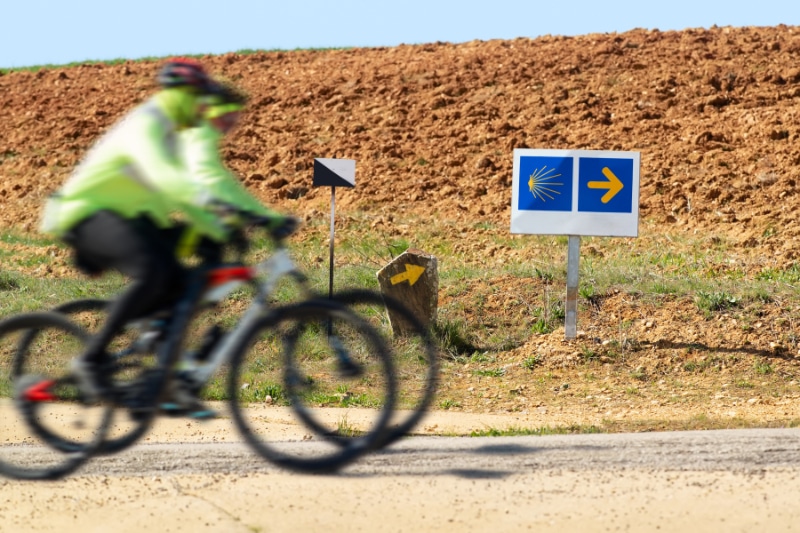
The fourth day of the Camino de Santiago mountain bike route begins in León , following the yellow arrows that mark the route of the French Way . The stage takes us along a gradually ascending terrain until we reach La Maragatería , one of the most authentic and traditional regions in the province of León.
The first few kilometers run along comfortable tracks and rural roads that connect small towns such as La Virgen del Camino , Villadangos del Páramo and Hospital de Órbigo , where its historic medieval bridge stands out, one of the icons of the Camino.
After arriving in Astorga , a key point on the French Way, the route begins a steady climb. We cycle through forests, mountain villages, and increasingly open landscapes, moving towards the natural environment that will lead us to Rabanal del Camino , a small Maragato village that preserves the purest essence of the pilgrimage.
This stage combines rolling sections, historical heritage, Jacobean culture and a day ending in the heart of the mountains.
Rabanal del Camino - Villafranca del Bierzo
Distance
60 km
Elevation
+780m
Rabanal del Camino - Villafranca del Bierzo
The fifth day of the Camino de Santiago mountain bike route offers one of the most emblematic and spectacular stages of the French Way . From Rabanal del Camino , the route climbs along trails and mountain tracks towards Foncebadón , a small enclave steeped in pilgrim history.
Shortly after, we reached one of the Camino's most iconic landmarks: the Cruz de Ferro (Iron Cross ), situated at an altitude of over 1.500 meters. This spot, where pilgrims leave a stone as a symbol of liberation and good wishes, offers breathtaking views of the surrounding mountains. It's one of the most emblematic sections for those who travel the Camino de Santiago by mountain bike.
From here begins a long, technical and exciting descent towards El Acebo and Molinaseca , two villages that preserve the traditional architecture of El Bierzo intact and that mark the beginning of the transition towards a greener and wetter landscape.
After passing through Ponferrada and its imposing Templar castle, the route continues through vineyards and orchards until reaching Villafranca del Bierzo , known as the Gateway to Galicia . This historic town is a perfect destination for recuperation: its pilgrim atmosphere, its heritage, and its natural beauty make the end of the stage an ideal conclusion.
An intense, varied and symbolic day, perfect for those looking to experience the Camino de Santiago to the fullest by bicycle.
Villafranca del Bierzo - Triacastela
Distance
55 km
Elevation
+1500m
Villafranca del Bierzo - Triacastela
Stage 6 of the Camino de Santiago by mountain bike marks one of the most intense and exciting moments of the French Way . From Villafranca del Bierzo , the route winds through green valleys and traditional villages on the way to one of the great milestones of the pilgrimage: the climb to O Cebreiro , the gateway to Galicia.
The route begins with a gradual climb through vineyards and the landscapes of El Bierzo before tackling the demanding ascent towards La Faba , La Laguna , and finally O Cebreiro , one of the most emblematic places on the Camino. Its panoramic views, traditional thatched houses (pallozas), and atmosphere steeped in spirituality make this spot an unforgettable experience for any cyclist traveling the Camino de Santiago by mountain bike.
From O Cebreiro, the route continues its ascent to Alto do Poio , the highest point of this stage, where the landscape opens up into the sweeping mountain horizons typical of inland Galicia. From here begins a long and spectacular descent towards Triacastela , one of the most historic villages on the French Way, surrounded by forests, rivers, and traditional paths.
It is a physically demanding day, but also one of the most rewarding of the entire route: it combines mountains, nature, culture and some of the most powerful symbols of the Camino de Santiago by bike.
Triacastela - Palas de Rei
Distance
71 km
Elevation
+ 1500m
Triacastela - Palas de Rei
Stage 7 of the Camino de Santiago by mountain bike takes us from Triacastela to Palas de Rei , a day that combines centuries-old forests, traditional paths and some of the greenest and most emblematic landscapes of the French Way.
From Triacastela, the route continues through the beautiful valley leading to Sarria , one of the best-known towns on the Camino and a common starting point for many pilgrims. The paths in this area offer pure cycling enjoyment: wooded tracks, stone walls, small Galician villages, and a natural environment that defines the essence of the Camino de Santiago by mountain bike.
After Sarria, the route continues towards the Belesar reservoir and climbs to Portomarín , another of the Camino's legendary locations. Its fortified church, rebuilt stone by stone after the old town was flooded, marks one of the day's cultural highlights.
From Portomarín, the route alternates between rolling sections and steady climbs that pass through rural villages and typical Galician agricultural landscapes. The terrain is varied, enjoyable, and perfect for those who love mountain biking in natural settings.
Finally, we reached Palas de Rei , a town with a long Jacobean tradition and a strategic point on the French Way. Its pilgrim atmosphere, its gastronomy, and its history make this end of a stage an ideal place to rest before tackling the final approach to Santiago.
A green, authentic and very complete stage, which shows the deepest Galicia and brings us ever closer to the final goal of the Camino de Santiago by bicycle.
Palas de Rei- Santiago de Compostela
Distance
69 km
Elevation
+1190m
Palas de Rei- Santiago de Compostela
Stage 8 of the Camino de Santiago by mountain bike brings us closer to the ultimate goal of the journey: Santiago de Compostela . It's an exciting, dynamic day with a pilgrim atmosphere that grows stronger with every kilometer.
From Palas de Rei , the French Way winds its way through a series of paths amidst native forests, small Galician villages, and charming rural landscapes. Soon we reach Melide , famous for its gastronomy and historic crossroads, where many pilgrims stop to soak up the local atmosphere.
The route then continues towards Arzúa , following shaded paths, medieval bridges, and trails ideal for mountain biking. It's a particularly beautiful section of the Camino de Santiago by mountain bike, thanks to its combination of nature, culture, and Jacobean tradition.
From Arzúa begins the final approach to O Pedrouzo , the last rest stop before tackling the final kilometers to Santiago. The excitement builds as we near the holy city, sharing the path with pilgrims from all over the world.
Finally, after reaching the summit of Monte do Gozo, the long-awaited silhouette of the towers of the Cathedral of Santiago de Compostela appears before us , one of the most intense and symbolic moments for any cyclist who has completed the Camino de Santiago by bicycle.
A vibrant stage, full of history and sensations, perfect to culminate this great MTB adventure.
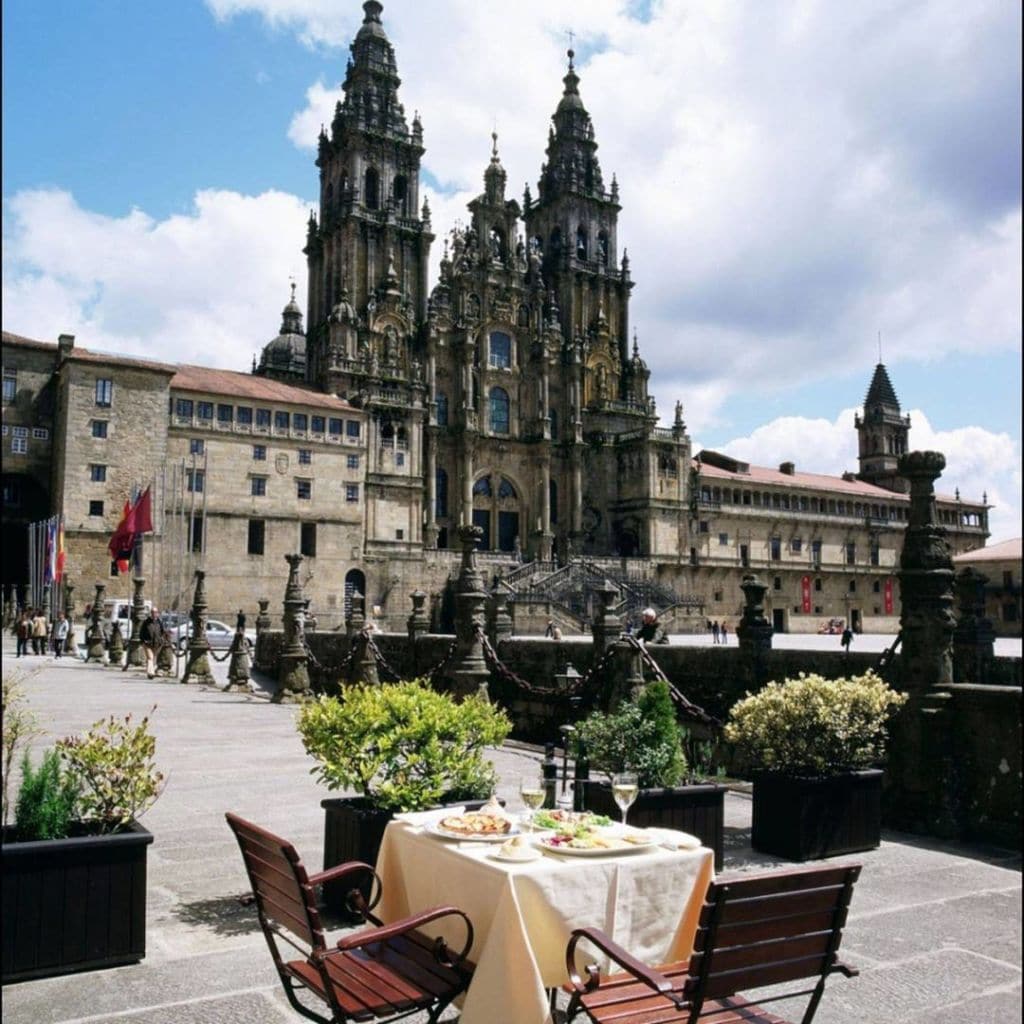
After arriving at the Plaza del Obradoiro and the exciting moment of contemplating the Cathedral of Santiago de CompostelaThere is still one last symbolic gesture that is an essential part of the Jacobean experience.
With the pilgrim's credential that you have been getting stamped at each stage of the Camino —in hostels, bars, churches or local establishments— you must go to the Pilgrim Office, located very close to the cathedral.
There you can request the Compostela , the official document that certifies you have completed the Camino de Santiago . Receiving it is the perfect ending to this cycling adventure: a historical, cultural, and emotional recognition that puts the finishing touch on a journey full of effort, camaraderie, and unforgettable moments.
Santiago de Compostela
After the excitement of receiving the Compostela certificate and a well-deserved rest in Santiago, it's time to bring this adventure to a close. After enjoying breakfast at the hotel , each traveler will begin their journey home, filled with memories, experiences, and the satisfaction of having completed the Camino de Santiago by bicycle.
It's a day of farewells, of gratitude, and of that mixture of calm and pride that lingers for days afterward for those who have cycled to the Plaza del Obradoiro. A perfect ending to a unique experience that, as many pilgrims say, doesn't end here… because the Camino always continues.
Advantages of booking your event with BikeFriendly
Culture
The Camino de Santiago is not just a pilgrimage route, but a journey through the history, spirituality, and culture of Spain. Along its various paths—whether the French Way, the Northern Way, the Silver Route, or the Portuguese Way —you will immerse yourself in a unique blend of medieval architecture, local traditions, and gastronomy that make this an unforgettable experience.
The Camino is imbued with a strong sense of spirituality and community . Each pilgrim has their own unique experience, but the ritual of collecting the Compostela certificate at the Pilgrim's Office upon arrival in Santiago de Compostela is a significant milestone. The pilgrim masses and the famous Botafumeiro ceremony in the Cathedral of Santiago are also highlights.
Climate
Spring (March - June):
One of the best times to do the Camino by bike. Mild temperatures, green and flowery landscapes, and fewer crowds than in summer. There may be occasional rain, especially in Galicia.
Summer (July - August):
Long, sunny days, ideal for cycling, but with very high temperatures in the Castilian Plateau (Burgos, Leon, Zamora, Salamanca), where they can overcome the 35°CIn Galicia, the heat is more moderate, but the French and Portuguese Ways can be more crowded.
Autumn (September - November):
Pleasant temperatures and fewer pilgrims on the route. In October and November, rainfall increases in the north, especially in Galicia and the Camino del Norte. The autumn landscapes are spectacular.
Winter (December - February):
Only recommended for experienced and well-equipped cyclists. Intense cold in the Meseta and in the Pyrenees, with the possibility of snow in some sections. Some routes, such as the Camino Primitivo or the Camino de Invierno, may be more difficult due to adverse weather conditions.
Recommendations according to the climate
If you're looking for mild temperatures and fewer crowds, spring and fall are the best options.
In summer, avoid the hottest hours and stay hydrated.
In winter, be prepared for the cold and check the condition of the roads in mountain areas.
Gastronomy
Each region along the Camino has its own culinary identity, so cycling or walking is also a journey of flavors . In the Basque Country, there are pintxos and bacalao a la vizcaína (salt cod in Biscay sauce) ; in Navarre, pochas (white beans) and cordero al chilindrón (lamb in chilindrón sauce ); in Castile and León, morcilla de Burgos (black pudding from Burgos) and lechazo asado ( roast suckling lamb ); and in Galicia, pulpo a la gallega (Galician-style octopus), empanada (a savory pie), and tarta de Santiago (Santiago cake).
Land
Dirt tracks and rural roads
Much of the Camino runs through wide compact dirt tracks, ideal for cycling. They are comfortable and allow for smooth riding, although they can become slippery on rainy days.
Technical trails and rocky paths
Some sections present Loose stones, roots and uneven ground which may require greater technique and control over the bike. Examples of this are the climb to the Iron cross, the descent to Molinaseca or the arrival at Or Cebreiro on the French Way.
Secondary and paved roads
In several parts of the Camino, especially in the Castilian Plateau and GaliciaThere are secondary roads with little traffic. They are an alternative option for cyclists who prefer to avoid technical sections.
Demanding climbs and descents
Some sections of the Camino include long climbs and steep descents, such as the climb to O Cebreiro (French Way) or the unevenness of the Camino PrimitivoThese sections can be demanding both physically and technically.
Included services
Accommodations
Accommodation in a shared room. Possibility of choosing an extra single room.
Bed and breakfast
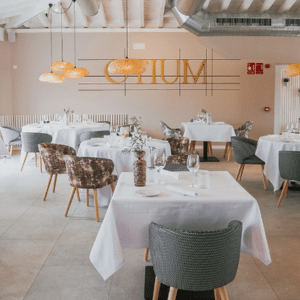
Regimen of accommodation and breakfast. Possibility of choosing extra half board to include dinner.
Insurance
Travel assistance insurance.
Luggage Transfer
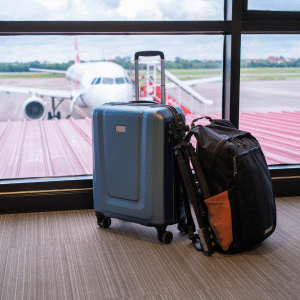
Luggage transportation between accommodations. One package per person is allowed, not exceeding 20 kg or measuring 80 x 50 x 30 cm. Otherwise an extra charge will be made.
Route itinerary
Tracks of the stages, so you can load them on your GPS device or App that you normally use.
Telephone assistance
Telephone assistance en route to help you in the event of any unforeseen event.
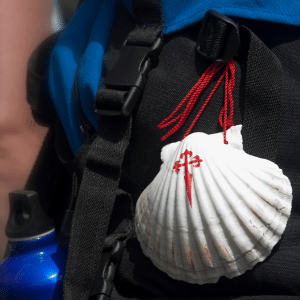
Pilgrim's Credential
Credential to seal each stage and be able to obtain the Compostela upon arriving in Santiago.
Not included
Not included
Any service not detailed in Included Services
Arrival at the meeting point and return home
Arrival at the meeting point in Burgos and return home at the end of the trip in Santiago de Compostela.
Additional to hire
Bike rental
If you need a rental bike, ask us, we can help you arrange it with a local company
Cancellation insurance
If you think that something unforeseen may arise... you can take out cancellation insurance
Supplement for room for single use, or Half Board.
If you are traveling alone and want to have a single room, or want to add dinners, contract the supplement.
Extra night at the end of the trip
If you want to stay one more night before returning home, you can hire it.
Support vehicle
Support vehicle with mechanical service, supplies, possibility of changing clothes or getting on during the route.
Return to the starting point
Transfer from Santiago to the starting point of the route.
*See our cancellation policy.
REVIEWS
The work being done by Bicycles Without Borders and Bikefriendly is commendable and makes me think there is still hope in the world.
I've seen firsthand that this project is real and not just a gimmick. The idea is truly brilliant, and it's helping many children and adolescents continue their education in a very meaningful way, as it's not a charity, but a means for the local population to develop.
The immersive experience in the country is complete, and traveling around the country by bike helps us feel fully integrated into the environment. In just one week, we've been able to understand and learn a lot about this country and its wonderful people, who are materially poor but spiritually rich.
I take my hat off to the work done by both the guide Sergio and the local team, which included Alpha, my lifelong friend and very professional, as well as Idi, Maurice, and Sidy.
I will definitely recommend this trip.
I recommend it, the routes exceeded my expectations! The hotels were good and the food was very good.
FAQ
I have allergies or intolerances. Can you adapt the menus?
How is Compostela obtained?
Can you offer more support services?
Can I carry a small backpack or bag in addition to the suitcase?
Do you have any doubt? Ask us!
" * " indicates required fields
Other trips that may interest you
- Aragon |
- Spain
- 8 days
- Groups in: November to May - YOUR DATES
- Sport
- Gravel
- Aragon |
- Spain
- 8 days
- Groups in: November to May - YOUR DATES
- Sport
- Highway
- Aragon |
- Spain
- 4 days
- Groups in: September
- Sport
- Highway